Learn
Your smart TV can track what you watch.
Your TV can recognize what is on its own screen, including whatever comes in over HDMI. What the setting is called on each brand, and where to find it.
News
A Windows pop-up is wrong about your antivirus. The FTC says Amazon padded its ad prices. Nineteen browser add-ons turned on their users. Android 17 shuts a door scammers use.
Learn
The FTC fined Cox Media Group and two partners $930,000 over Active Listening, a service they said could pick up conversations from phones, TVs and smart speakers. It never collected a second of audio, and the tracking that really explains those eerie ads is duller and harder to escape.
Learn
A hacking group said it took millions of customer records. Somebody opened the file and counted. The first big number in a breach story is a count of rows, not people.
News
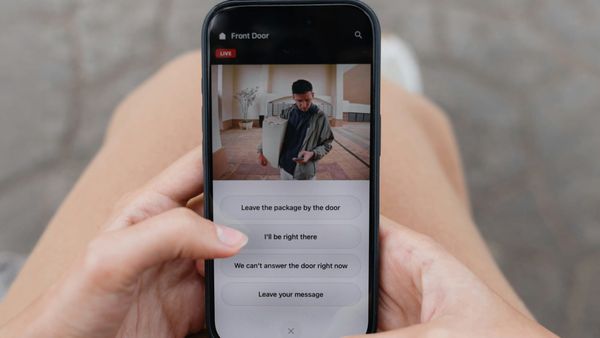
Ring's next encryption default destroys its copy of your video keys after 24 hours. That closes a door Ring left open for years. It stops at the moment an owner shares a clip.
Blog
Loneliness gets compared to smoking fifteen cigarettes a day. The researcher behind that number keeps a page on her own website correcting how people quote it. Here is where it came from, who is loneliest, and what the evidence says about your phone.
Learn
Google's Results about you tool watches Search for your address, your phone number, and since February your driver's license and Social Security numbers. Here is what it pulls down and what it will not touch.
Learn
Congress never gave the FTC the power to ban personalized pricing. What it can do is make stores admit to it, and it is taking comments until September 18.
News
Amazon raised the list price on its own devices. Meta settled the teen social media case for $17 billion. Disney owes streaming subscribers a check by September 8. And a gas alarm sold under 18 names on Amazon can stay silent.
Learn
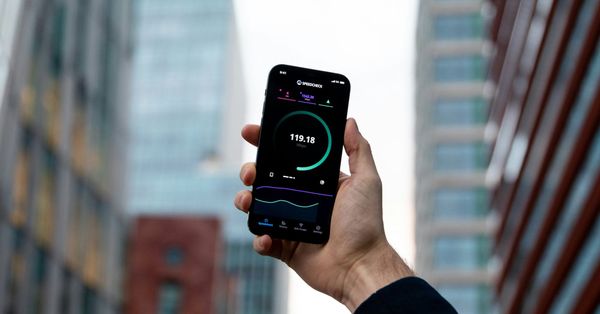
Buffering at eight, a dead back bedroom, one laptop that crawls. Those are different problems, and the checks that tell them apart cost nothing.
Tech news that makes sense, one short email every Tuesday. Free, from an IT pro, plus the Cache: quick guides to scams, phishing, a slow computer, and more.
Buffering at eight, a dead back bedroom, one laptop that crawls. Those are different problems, and the checks that tell them apart cost nothing.
A laptop price tag is covered in letters and numbers that were put there to sell you. Four of them decide whether you still like the machine in five years, and the one that matters most is often not printed at all.
Also in this issue: who else can see your child's GPS watch, a safety warning that owes you nothing, and the free service that emails you pictures of your mail.
Take-Two is pulling the CyberLeek clips as fast as they go up. The "archives" filling the gap are malware, and the pattern is older than this game.
Consumer Reports found kids GPS trackers that skip the second login step, and the cheapest watches run on shared platforms the buyer cannot name. Here is how to check the one on your child's wrist.
USPS will email you a photo of the letters coming to your house that day, for free. Most eligible addresses have never turned it on.
The opt-out settings are real, they only work going forward, and they only bind companies that choose to honor them. What each one actually does, and the one place you have real power.
Apple warned the people it thinks are spyware targets and shipped an update the rest of us should install, the Comcast breach claim deadline moved to September 14, ChatGPT started sorting its own users by age, and four states put Meta on trial in Oakland.
A second kind of safety notice has grown to a fifth of the total, and it comes with no refund. Here is what to check before you buy a charger, a power strip, or a power bank.
Cancel the subscription and the cartridge stops working, ink and all. HP writes it down, and so do Brother, Canon and Epson. What the contracts say, and how to leave without a dead printer.
Also in this issue: the hearing test hiding in your earbuds, a colon cancer test company breached, and what the passkey headlines got wrong.
The $18 to $56 estimate assumes almost nobody files. What the claim form actually asks for, which class needs a receipt, and why your Nest speaker is fine.