Are those smart glasses recording you? How to tell
Smart glasses look like ordinary sunglasses, but they record video and audio, and the tiny warning light is easy to miss or defeat. What they capture, where it goes, and how to tell if the pair across the table is on.


Have you ever stood next to somebody and wondered if their sunglasses were recording you? Until somewhat recently, that sentence might have sounded ridiculous. In 2026, not so much. Dubbed “smart glasses,” they look like regular glasses, but there’s a camera embedded in the frame. The only thing telling you if it’s on or not is a light smaller than a grain of rice.
I look into what these things actually do, where the footage goes, and what you can do when you’re the one being recorded.
What they are
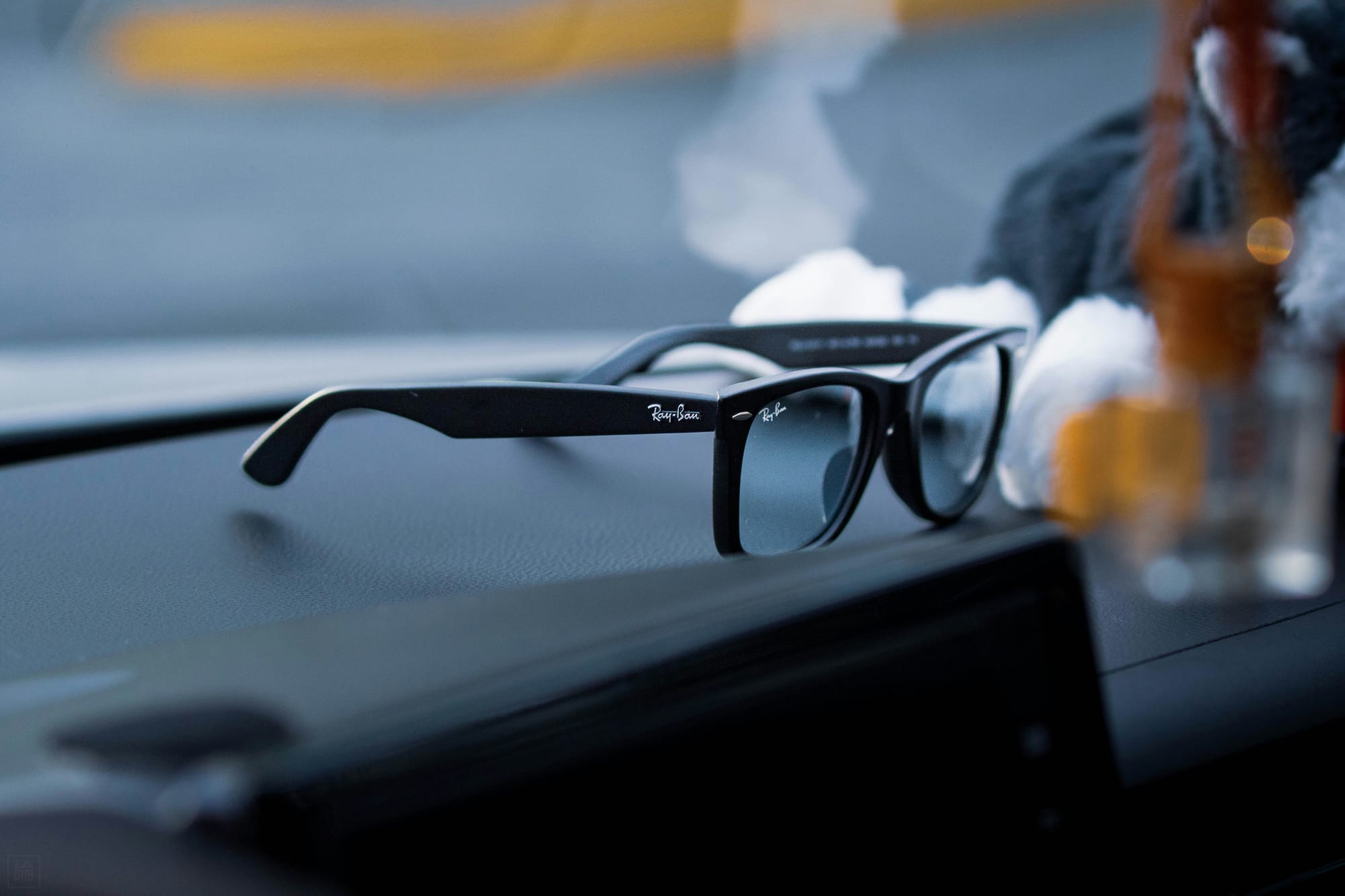
The pair most people have heard of is the Ray-Ban Meta line, built by Meta with the eyewear giant Luxottica. There’s the Ray-Ban Meta Wayfarer, the Oakley Meta HSTN, a wraparound Oakley called the Vanguard, and a newer model, the Ray-Ban Display, which puts a small screen inside the lens. They run from about $300 to $800.
They take photos and video. They livestream. They play audio in your ears and take phone calls. You can talk to the built-in assistant by saying “Hey Meta,” ask it what you’re looking at, and have it translate a sign in front of you. The Display model can show you messages and directions in the corner of your vision. The technology itself is impressive.
Meta isn’t the only one. Google is building its own with Warby Parker, Snap has a pair, and Apple is rumored to be working on something. It’s a new industry trend. The Ray-Bans are just the ones you’ll see first.
What makes them different from a phone is that they look like eyewear. Reviewers keep noting that friends didn’t realize the cameras were there. It’s the design goal, and it’s also the problem.
A small recording light
When the glasses record, a small LED on the front lights up. That’s the indication that signals to everyone around the wearer that a camera is rolling.
It’s notoriously a poor indicator. It’s tiny and easy to miss in daylight. And the obvious defeat, covering it with tape, doesn’t work the way you’d expect: Meta built the glasses to stop recording when the light is blocked. So the people determined to record anyway pay to get around it. For $50 to $100, modders will drill the light out entirely, which beats that protection and leaves the glasses looking factory-new. The Wall Street Journal found these services advertised in 30 states. There are also stick-on caps that fool the sensor for around $60, and pinhole-camera glasses sold online that never had a light to begin with.
Lawmakers are starting to notice. A bill introduced in Pennsylvania on June 5 would make it illegal to sell or record with smart glasses whose indicator light has been disabled.
Compare that to a phone. When someone points a phone at you, you know. They lift it, they hold it up, they aim. Glasses skip all of that. The recording is hands-free, it can run continuously, and it points wherever the wearer is looking. The civil-liberties group EFF made this point plainly in June: glasses make recording frictionless and hard to notice in a way a raised phone never is.
Where the video goes
The footage doesn’t just sit on the glasses. It moves to the phone app, and from there it can go to Meta’s servers.
It’s not as simple as one opt-in box. Your photos and videos stay on your phone unless you share them, turn on cloud processing, or ask Meta AI a question about them. But using your voice is a type of “opt-in.” The moment you say “Hey Meta,” the recording gets saved by default, and Meta removed the setting that used to let you turn that storage off.
And once your content reaches Meta, people can see it. Humans reviewing what the glasses recorded. In February 2026, two Swedish newspapers reported that contractors in Kenya, working for a company called Sama, were reviewing footage from the glasses as part of Meta’s AI training. The workers described seeing bathrooms, people undressing, credit card numbers, and faces that were supposed to be blurred and sometimes weren’t. Meta has since ended its contract with Sama.
A lawsuit
In March 2026, two buyers sued Meta and Luxottica over the glasses, and the case has since grown to nineteen people across sixteen states. It’s called Bartone v. Meta Platforms, filed in federal court in Northern California.
The argument is highly specific. Reviewing footage is legal. The problem is the marketing. Meta sold the glasses with the promise they were “designed for privacy, controlled by you.” That slogan conflicts with overseas workers cataloging the video. The case centers on the people with no control over those settings at all. Bystanders and partners caught on camera never bought a product or agreed to the terms.
It’s early. Meta hasn’t filed its defense, and nothing here has been proven. These are allegations.
More to worry about than the camera
Audio. The glasses record sound, not just picture, and in the United States, recording audio carries stricter rules than recording video. I’m not a lawyer, so I’ll keep it simple: every state sets its own rules on recording conversations, and some require everyone’s consent, not just the wearer’s. If you want to know your state’s rules, the Reporters Committee for Freedom of the Press keeps a plain, state-by-state guide, or ask a lawyer.
Face search. A camera that knows who you are is different from a camera that just records you. In 2024, two Harvard students wired a pair of Ray-Ban Metas to face-search tools and showed they could put a name to a person walking by, then pull up where they might live and work. They called it I-XRAY, and they built it to prove a point, not to sell it. Meta says it isn’t putting face recognition in the glasses, though the New York Times reported in early 2026 that an internal effort, called Name Tag, was under consideration. The demo showed the pieces already exist and already fit together.
What you can do
If you’re the one across the table:
- Learn the light. On the Ray-Ban Metas it’s a small LED on the front corner of the frame, opposite the camera, and it stays lit the whole time a recording runs. If it’s on, the glasses are capturing. Just remember a drilled pair won’t show any light.
- It’s fine to ask. “Are those recording?” is a normal question now, the same way “are you filming this?” became normal. You can also ask them to take the glasses off.
- Know where they don’t belong. Plenty of places already say no: locker rooms, some workplaces, courtrooms, anywhere cameras were already banned. The glasses don’t get an exception for being in disguise.
If you own a pair, the controls are there, but partial. Meta moves them around, so check yours:
- Turn off “Hey Meta.” In the Meta AI app you can switch off the wake word and trigger the assistant from the touchpad on the right temple instead. That cuts down on recordings you didn’t mean to start.
- Keep your media off Meta’s servers. Turn off cloud processing so photos and videos stay on your phone. Cloud copies are deleted after 30 days either way.
- Delete your voice clips. You can’t stop them being saved, but you can clear them in the app, and stored recordings are kept up to a year if you don’t.
- The hard off switch is physical. The power slider on the left temple kills the camera and microphone completely. In a doctor’s office or a private meeting, that’s the only off switch you can trust.
- Look up your local laws on recording audio, especially. The RCFP guide above covers all 50 states.
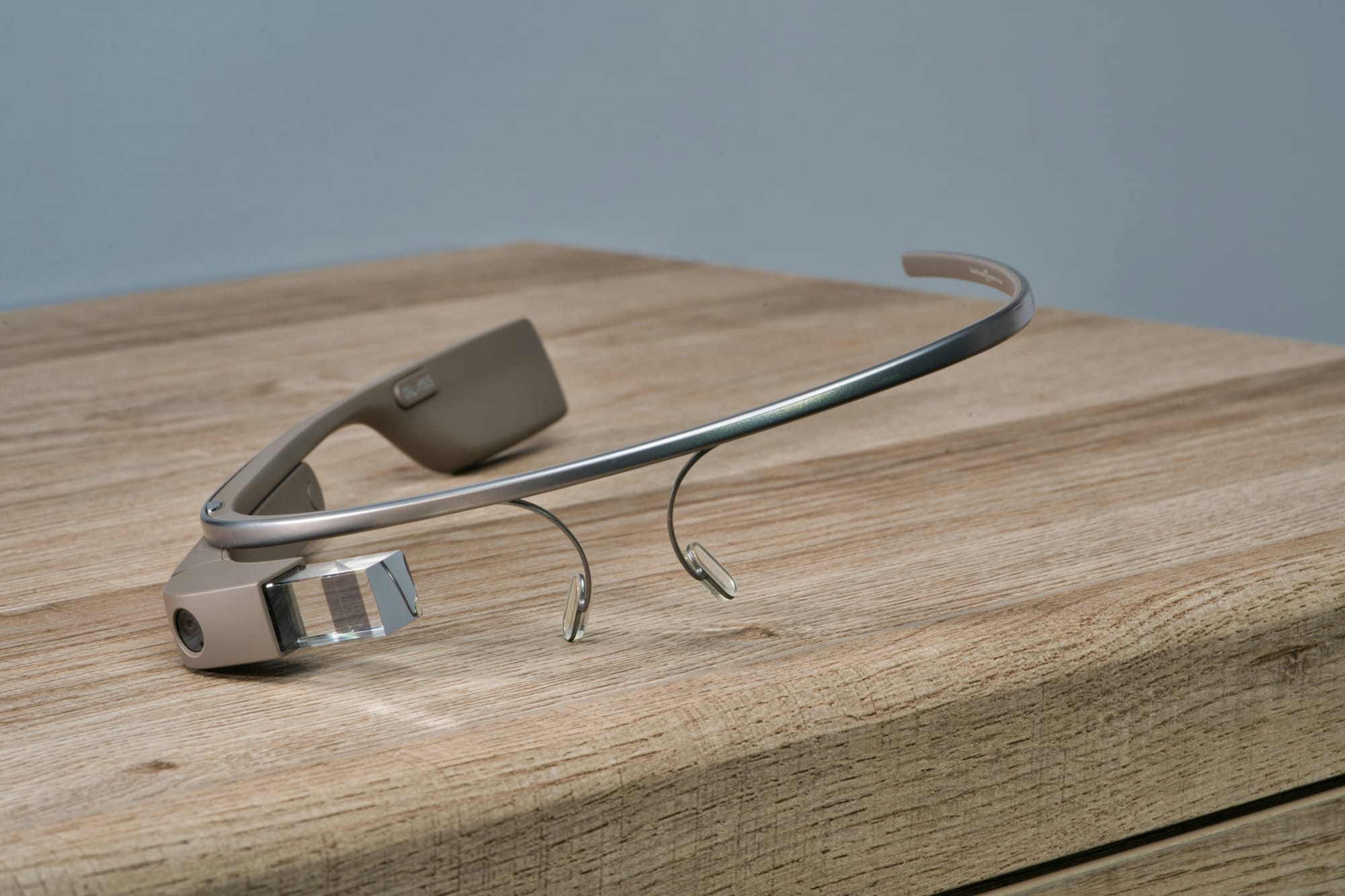
I’ve never worn a pair of smart glasses. I’d be lying if I said they didn’t intrigue me. I still remember being wow’d by Google’s attempt at this same thing with Google Glass. I remember the backlash people had to being recorded then. Google Glass was especially obvious and these are not. With so many apps, services, and devices tracking our every move these days, do we need to be alarmed there will be another vehicle for that data? Maybe.
If I ever own a pair of these, I won’t be using “Hey Meta.”
Sources
- Electronic Frontier Foundation, "Think Twice Before Buying or Using Meta's Ray-Bans" (March 2026): eff.org.
- The Wall Street Journal, on services that disable the recording light advertised across 30 states (2026).
- Reporting on contractors in Kenya reviewing glasses footage, and the lawsuit Bartone v. Meta Platforms (N.D. Cal., filed March 2026), covered by Fortune.
- The New York Times, on Meta's internal "Name Tag" face-recognition effort (early 2026), and Harvard students' I-XRAY demonstration (2024).
- Reporters Committee for Freedom of the Press, state-by-state recording-consent guide: rcfp.org.
- Pennsylvania House bill introduced June 5, 2026, on smart glasses with disabled indicator lights.