The Self-Driving Car Is Real. You Just Can't Buy It.
Robotaxis with nobody at the wheel are real, scaling, and stuck inside a handful of cities. The 'self-driving' car you can actually buy still needs you. Where autonomous driving really stands in 2026, and why the holdup isn't the technology.

The first time I really thought about self-driving cars, one of them tried to kidnap a guy.
It was a scene in the show Silicon Valley. A character climbs into an autonomous car, and partway through the ride the car decides it has other plans. It locks him in and drives him into a shipping container, which then gets loaded onto a cargo ship bound for who knows where. Played for laughs. I knew shows exaggerate. But it was the first time the idea landed for me as something real and close, instead of "the future."
That was around 2017. The promises were everywhere back then. Full autonomy in two years. The end of car ownership by 2025. A future where you'd summon a car the way you summon an elevator, and your kids would be confused that people ever bothered to learn to drive. I filed it under someday. I also figured I couldn't afford whatever the first version cost, so I didn't think about it much after that.
Then someday started showing up in my feed. Articles about Waymo coming to Portland. Then actual Waymos, more and more of them, doing their slow careful thing around the city. And my wife got a car with a feature called BlueCruise, which is about as close to self-driving as I've personally been.
So I went and read about where this actually stands in 2026. I went in expecting the holdup to be engineering, the way it always sounded. The cars just need to get smart enough. What I found is stranger than that. Inside a few specific cities, the cars are already good enough. The thing standing between us and the future we were promised turns out to be us.
The Assistant half
There is a lot of jargon in this world. Levels zero through five, driver assistance, conditional automation. You can skip almost all of it. There is really only one question that matters when someone tells you a car drives itself: is there a person responsible for driving it, yes or no.
The engineers have a scale for this. Level 2 means the car can steer and control its own speed, but you are the driver. Eyes up, hands ready, legally on the hook if anything happens. Level 4 means no human is driving at all inside a defined area. No one in the seat, no one on the hook. Everything people call "self-driving" lands on one side of that line or the other. The two sides of that line are very different.
BlueCruise, the system in my wife's car, is Level 2. On certain highways it holds the lane, keeps a set speed, and will even change lanes on its own if you tap the turn signal. The first time I let go of the wheel I was a little freaked out, but it did its job. After a while I could rest my arms and just watch the road, which is the whole point. I never thought the car was driving itself. I was driving. It was helping.
The part that actually shocked me was the bill. BlueCruise is a subscription. About fifty dollars a month, or just under five hundred a year, for a feature the car already physically has. You are paying rent on hardware you already bought. I understand there is a real cost to running and mapping the system, so I get the why. It still felt a little gross. And it only works on divided highways, never city streets or back roads, so depending on where you drive it can sit there useless. The network is actually huge on paper, around 130,000 miles, most of the interstates in the country. It is also the smallest hands-free network of the major systems. GM's covers several times more road. Tesla's will switch on just about anywhere. All three are Level 2. All three have you driving. But with help.
A good assistant with a meter running.
The Driver half
The other half is real. And it's pretty wild.
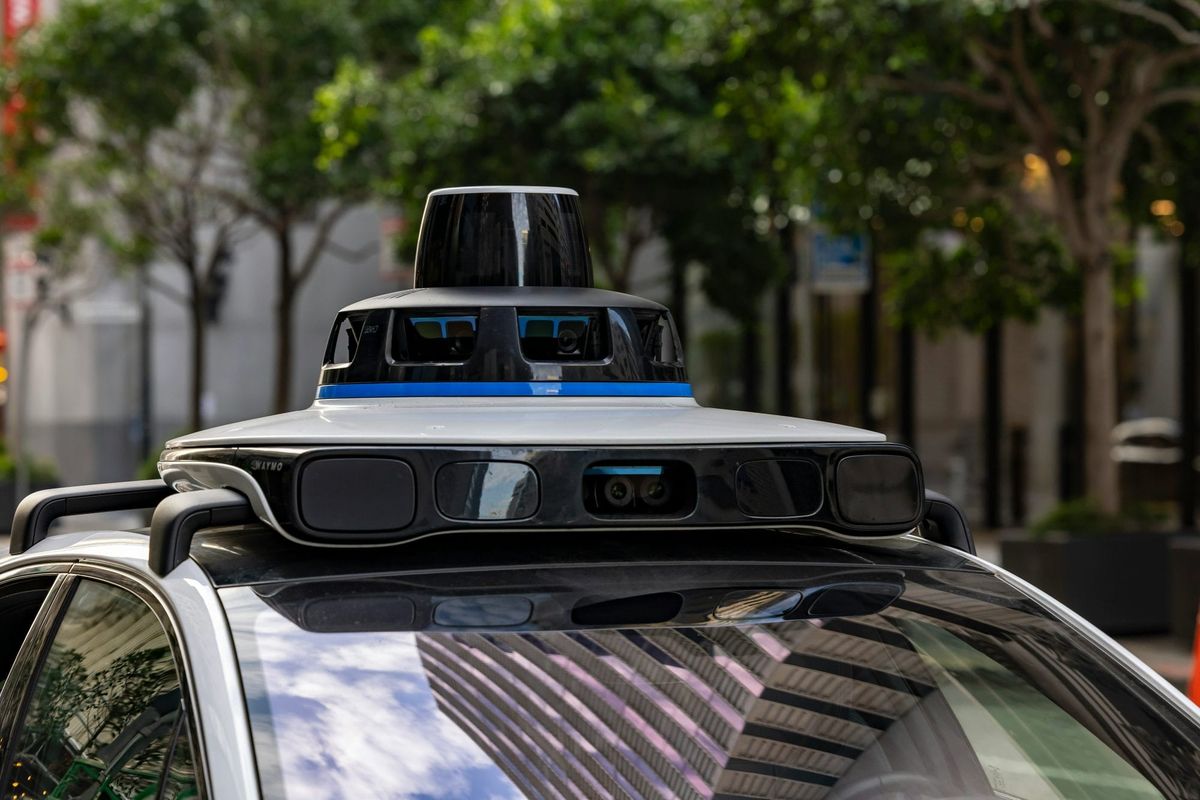
Waymo, the company that grew out of Google's car project, is running actual driverless taxis right now. No one in the front seat. You open an app, a car shows up empty, you get in the back, and it takes you across town. As of early 2026 they were doing around 500,000 paid rides a week across ten US cities, with more than 200 million miles driven with nobody at the wheel. The numbers keep climbing.
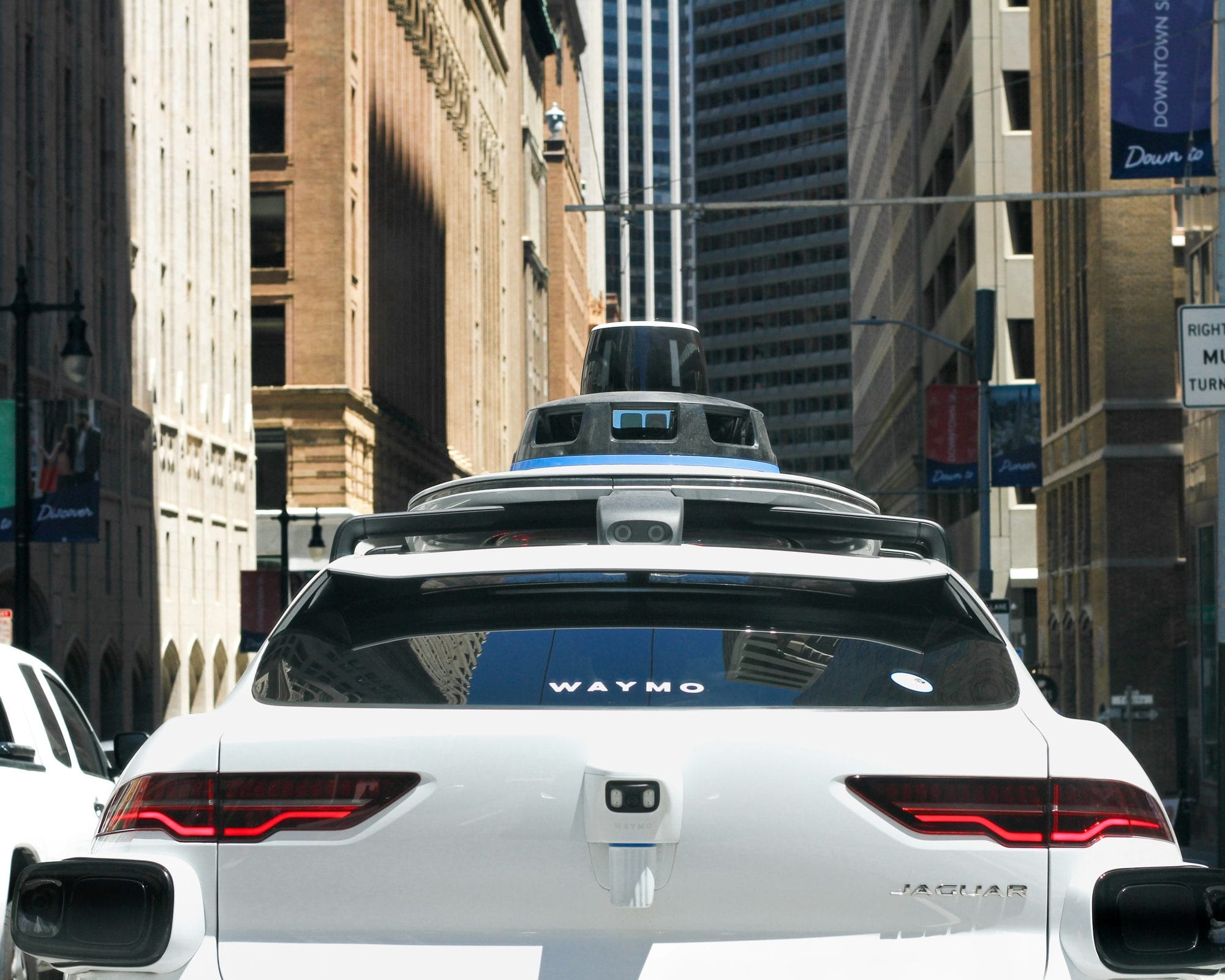
The reality is more nuanced. "Driverless" for Waymo really does mean driverless. There are remote employees who can help a stuck car, but they give it advice, not control. They cannot grab a virtual steering wheel and drive it from a desk. The car asks, "should I go around this?" and a human says yes or no, and the car does the driving. Roughly seventy of those remote helpers cover a fleet of around three thousand cars. Much different than a person piloting your taxi with a joystick from a call center. Which is closer to how some other operators run.
And the safety record, so far, is good. A study by the insurer Swiss Re looked at 25 million driverless Waymo miles and found something like 88 percent fewer property-damage claims and 92 percent fewer injury claims than human drivers over the same distance. Keep in mind, those numbers come from an insurance company, with skin in the game.
So the future has arrived. Just not how we expected. Waymo only works in mapped, approved zones in a handful of cities. It pulls back when the weather gets bad. It only recently tried freeways, and then paused that again in the spring. It is genuinely a self-driving car. It is also a self-driving car that will only meet you in the right few square miles of the right few cities.
I will admit the expansion is what caused me to pay attention. I expected to feel more nervous as I learned more. Instead, watching the company actually grow made me more willing to try it, not less. If it were dangerous in the way some headlines suggest, it would not be spreading. That is not airtight logic. But it is how I reacted, and I suspect I am not alone.
Would I get in one? Yes. My wife and I would try it together without (too) much hesitation. But I noticed my own gut reaction the second I pictured my nieces in the back seat. Suddenly I wanted a lot more proof. Risking myself is one thing. Putting someone else's kid in a robot's hands is different. It's also a personal decision shaped by experience.
Tesla
This is where Tesla comes in. Tesla is selling something that sounds like Waymo, but isn't.
Tesla launched a robotaxi service in Austin in 2025. They call it unsupervised. In practice it is a small fleet with remote staff who can take control at low speed, and early on there were chase cars following the robotaxis around. Texas passed a law in May 2026 letting a company certify its own cars as fully driverless, and Tesla signed off on its own robotaxis the same day. On paper, in Texas, some Teslas are now a no-human-needed service.
In June 2026 Tesla turned that service on across the entire Austin metro, about 245 square miles, its biggest expansion yet and roughly twelve times the original footprint. The fleet actually driving those streets without a human is still around twenty cars.
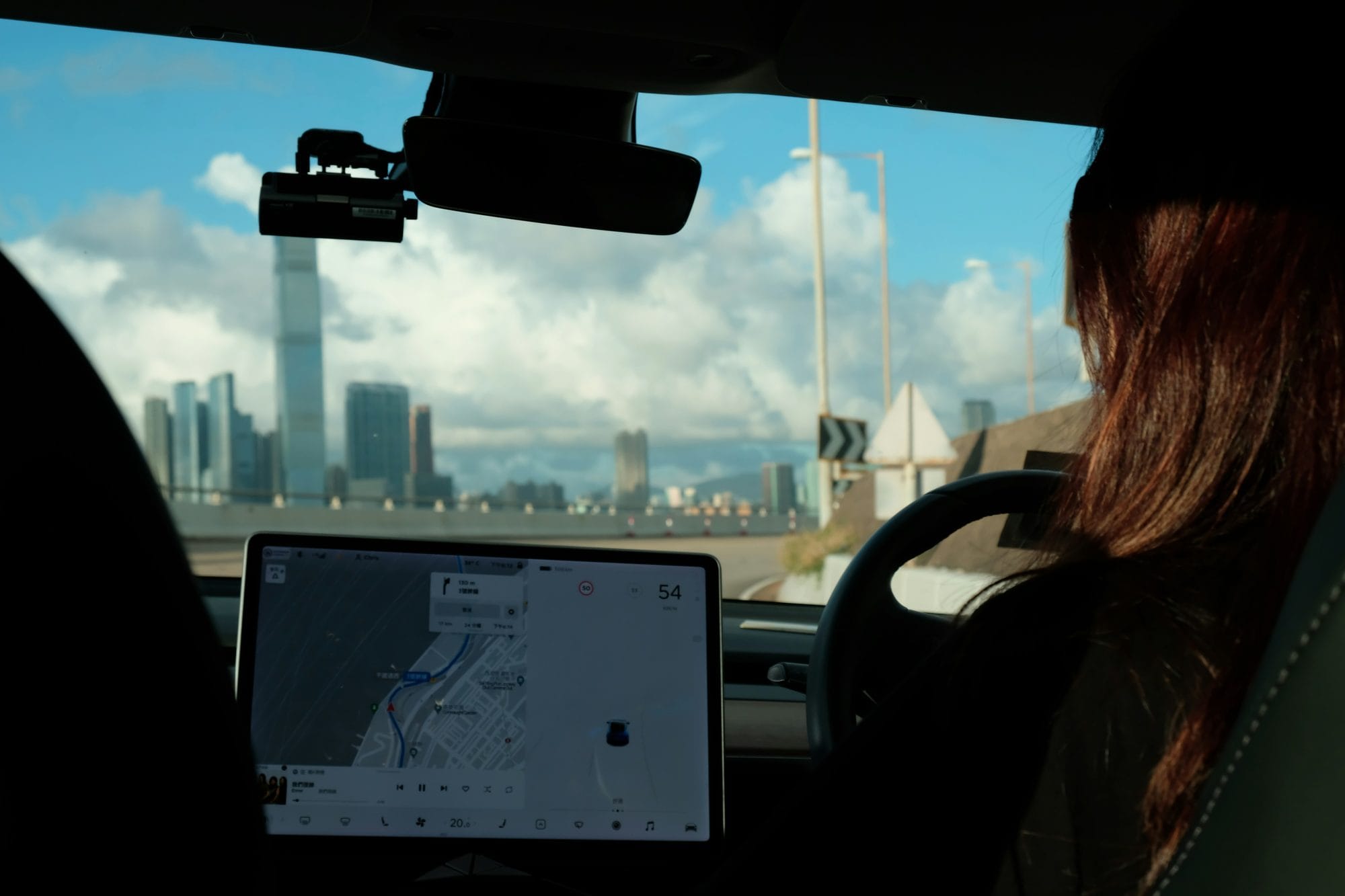
The Tesla you might have in your driveway is not that car either. Full Self-Driving, the feature you can buy, is still Level 2. You are the driver. You are responsible. It has now been driven more than ten billion miles by owners who were all, legally, driving the whole time. In June 2026, owners noticed Tesla had gone back and edited their old Full Self-Driving purchase agreements, some signed years earlier, to insert the word "supervised," and in some cases the original document was no longer accessible. Tesla keeps saying the truly hands-off version for owners is coming, but keeps moving the date. The latest word pushes it to late 2026 at the earliest, gradual, and limited to certain places.
The track record on those dates is worth remembering. The same company promised a million robotaxis on the road by 2020, and hundreds in Austin and a thousand in the Bay Area by the end of 2025. The reality was a tiny fraction of that. The technology is real. The problem is the difference between the car in the keynote and the car you can actually buy.
Adoption, not capability
When I researched this topic, I was surprised to learn the biggest barriers are not the technology.
The driving has gotten good, at least when using the fenced-in version. There are remaining engineering problems, the strange edge cases, the construction zone that's laid out wrong or the kid who darts out from between parked cars. But the biggest hurdle to pass is fear. People have reason to be careful, and one glitch can undo a million successful trips.
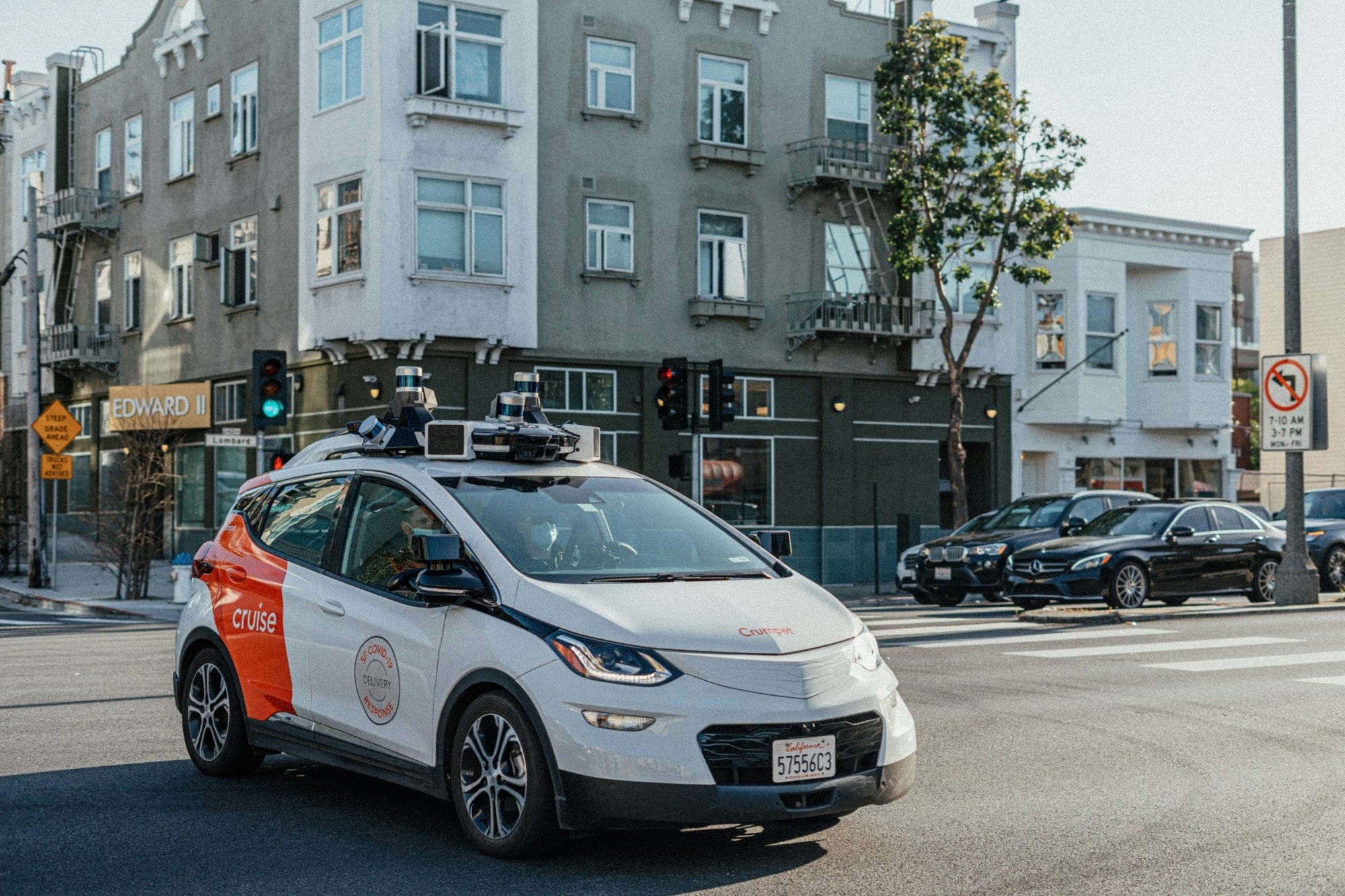
The cautionary tale involves Cruise, GM's robotaxi company. In 2023 one of its cars in San Francisco dragged a pedestrian about twenty feet after she had been thrown into its path by a hit-and-run human driver. The company handled the aftermath badly, got its permit pulled, paid fines for how it reported the crash, and by the end of 2024 GM had shut the whole thing down. This was after spending more than ten billion dollars. Ford and Volkswagen had already folded their own self-driving venture a couple of years earlier.
The public has not warmed up the way one might think, given how well Waymo is doing. Surveys keep finding that around sixty percent of Americans say they are afraid to ride in a self-driving car. That number has barely moved in five years, even as the safety data piles up. The one thing that seems to move the needle is a crash that makes the news, which pushes fear up, not down.
In January 2026 a Waymo hit a child near a school in Santa Monica. The car braked hard, the kid had run out from behind a double-parked SUV, and the injuries were minor. It still triggered two federal investigations and a wave of coverage within days. Plus the extra scrutiny over Waymos rolling past stopped school buses. A child, even unhurt, even in a crash a human likely could not have avoided either, resets people's tolerance to zero. My nieces came to mind again.
Is it worth it?
Trust is one half of the human problem, the other half is desire.
A lot of Americans do not actually want to give up driving. The car is freedom, control, identity. I have known plenty of people over the years who were, in a real sense, the car they drove. That is not a character judgement. This whole country was built around the automobile, the suburbs, the road trip, the open highway as a kind of national religion. The attachment makes sense.
I am the odd one out here, and I know it. I see a car as a way to get from point A to point B with a little comfort along the way. That is my relationship. I drive a lot, for work, and I live somewhere rural enough that there are few days without a lot of time behind the wheel. If I could hand that wheel off and spend the drive working or better yet sleeping, that would be a dream for me.
But me wanting it does not move the whole country. I am the demand that already exists. The people who decide this are the ones who would say no, and there are far more of them than there are of me.
The person who would benefit most from a car that drives itself is someone like me, with a long rural haul every day. The car that actually exists is a robotaxi penned into dense city centers. It will happily shuttle someone four blocks across downtown San Francisco. It will not come anywhere near my road for a long time. The reason has little to do with how hard my road is to drive. If anything, an empty two-lane is simpler than a downtown packed with pedestrians and cyclists. The reason is money. These cars are expensive, and they only pay off where trips are short, constant, and packed close together. A city block can deliver a hundred riders an hour. My route delivers me. Mapping and running a thin rural network for a handful of riders does not add up, so nobody builds it. The technology that works is aimed almost exactly away from the people whose lives it would change the most, because that is where the paying crowds are.
Wildcard
If you want evidence that the bottleneck is culture and not physics, look at China. Chinese robotaxi companies are running more cars, in more cities, growing faster than anyone here. One of them was doing more than 300,000 driverless rides a week by late 2025. The difference between China and the US is that their government clears the way faster and the riding public is more willing to climb in. Same technology, different culture.
Until recently, the way you built a self-driving car was to hand-code it city by city, with detailed maps and a long list of rules. Waymo's careful, fenced-in approach is the mature version of that. The newer idea is to let the car learn to drive the way a language model learns to write. Watching an enormous amount of driving and figuring out the patterns itself, so it can handle a road it has never seen. If that works, the fence comes down, and the whole slow city-by-city grind could stop being necessary. Tesla is betting on this idea. Some smaller companies are built entirely around the idea.
Skeptics make a strong point in return. Learning from examples is great until you hit the rare, deadly situation that was not in the examples. That is exactly the moment that has to go right the very first time. A car that is brilliant 99.9 percent of the time and catastrophic in the gap is not good enough, and nobody has closed that gap.
Where are we in 5 years?
I do not think we will see that much change by 2031. I think full self-driving cars get adopted slowly. I think slow is the right speed for a technology like this. Most people understand exactly what is on the table: their own lives and the lives of the people they love.
I expect Waymo to keep growing the way Uber once did. One city at a time, until it is a normal option in a couple dozen places and a curiosity everywhere else. I can see it genuinely challenging Uber. That fight will pull in money and innovation, especially with the AI approach entering the ring.
If that approach clicks, things could move faster than trust and laws. I wouldn't bet on it. But I'd be glad to lose.
So no. Not in five years. A car you can buy that drives itself anywhere, robotaxis on my rural road, the end of owning a car. I'll still be holding the wheel.
One more thing. If you’ve ridden in a Waymo, I’d love to hear what your first time was like. The good, the weird, the moment you forgot no one was driving.