You bought it, but do you own it?
When you click Buy on a movie, book, song, or game, you usually get a license, not the thing itself. What that means, and where you can still own what you pay for.

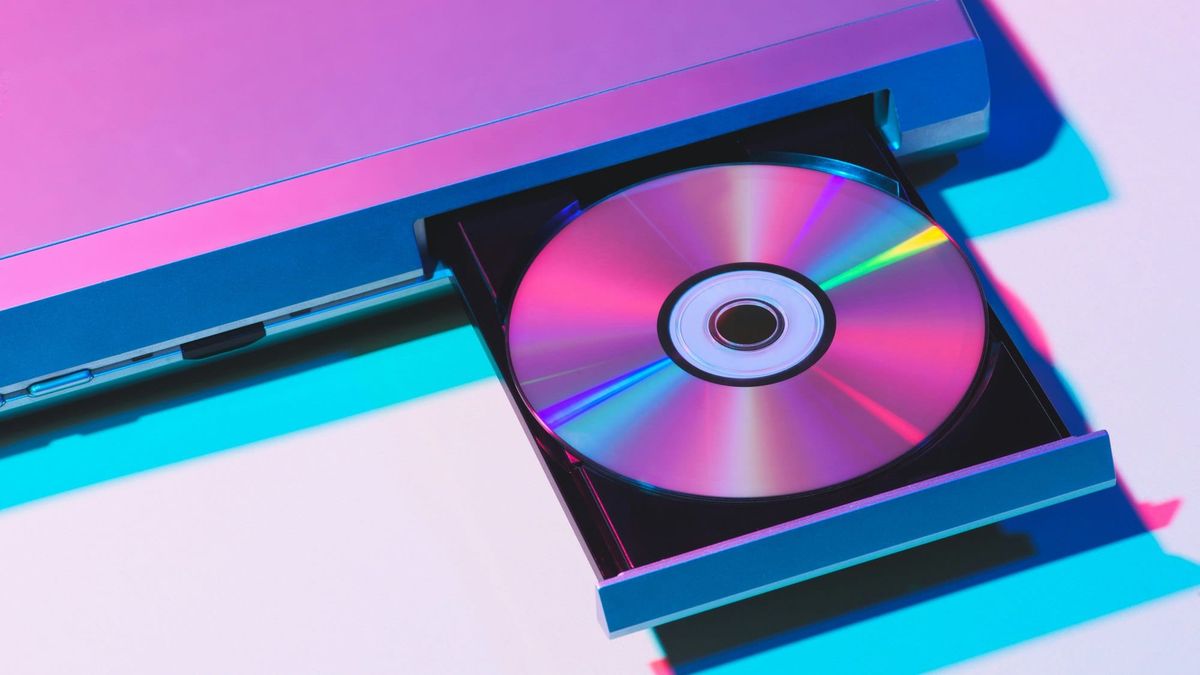
Sony is getting out of the disc business. On July 1, the company said it will stop making physical discs for new PlayStation games starting in January 2028. After that, a new PlayStation game comes one way: as a download. Games already on shelves are fine, and anything released before 2028 keeps its disc. New games go digital only.
The reaction has been loud, and it should sound familiar. Back in 2013, Microsoft tried something like this with the Xbox One, with always-online check-ins and limits on trading used games. Players revolted, and Microsoft reversed course within weeks. That was a different moment in time. Discs were still how most people bought games. Today about 85 percent of PlayStation game sales are already downloads, so the pushback may not move Sony the way it moved Microsoft.
While the death of physical game discs has made headlines, Sony recently made another move that flew under the radar. In late June, Sony told PlayStation owners in the UK and Europe that 551 movies and TV shows they had already paid for would be removed from their libraries on September 1. StudioCanal titles, including Terminator 2, Total Recall, and the Bridget Jones films. The licensing deal that let Sony sell them ran out, so the movies disappear. No refund. (Accounts in the United States are not part of this removal, but the terms that allow it apply here too.)
Both stories come down to the same thing. When you click Buy on a movie, a book, a song, or a game, you are usually not buying the media itself. You are buying a license to use it. That has been true for a long time. What's changed is the format.
A DVD or a paperback sat on your shelf. Once you had it, no one could reach into your house and take it back. A license attached to a download is different. The company that sold it to you can change it, move it, or remove it. The movie in your library is only there as long as the company's paperwork holds up. Sony's StudioCanal customers just found that out the hard way.
Terms and conditions
This is not hidden. It is written into the terms you agreed to when you set up the account. Amazon says it plainly: "Kindle Content is licensed, not sold, to you." Apple uses nearly the same words for the App Store, and Steam tells you outright that the games you buy are licensed, not sold.
We have seen this before. In 2009, Amazon reached into Kindles and deleted copies of a book people had already bought. The book was George Orwell's 1984. A publisher had sold it through the Kindle store without holding the US rights, so Amazon pulled it back from every device that had it, without warning. The irony wrote itself, and the backlash was bad enough that Amazon's CEO called the move "stupid, thoughtless, and painfully out of line with our principles." Buyers were refunded, and Amazon promised not to do it that way again.
In 2019, Microsoft closed its ebook store. Every book people had bought there stopped working once the store's copy-protection servers went dark. Microsoft refunded everyone in full, which was the right thing to do, but far from a happy ending. People got their money and lost their libraries. Years of notes and highlights vanished with the books.
Too much power
Licenses expire. Sometimes a studio pulls its catalog and the store selling it has no real choice. It makes sense that a title leaves a storefront when the deal behind it runs out.
But as more of what we buy shifts to digital, we need protections that let people keep the access they paid for, the kind a company cannot revoke later. Right now there are none. Big companies, the kind built to put profit first, end up holding the switch on what you get to watch and read. They already have plenty of that power in publishing. This hands them more. It is the same idea behind the TV that moonlights for its maker, pointed now at your movie library instead of your living room.
The law is not settled
California passed a law, in effect since January 2025, aimed straight at the Buy button. If a store sells you digital goods, it can no longer use the word "buy" to suggest you own something outright. It must be made clear that you are getting a license that can be taken away. Some stores changed their checkout wording because of it. Steam added a line at checkout months before the law even took effect.
The courts have gone the other way on a related question: can you resell the digital things you bought? You can sell a used paperback or a used DVD. That right, called first sale, is why used bookstores exist. When a company tried to build a marketplace for reselling iTunes songs, US courts shut it down, ruling that moving a digital file makes a copy, and copying is the seller's right, not yours.
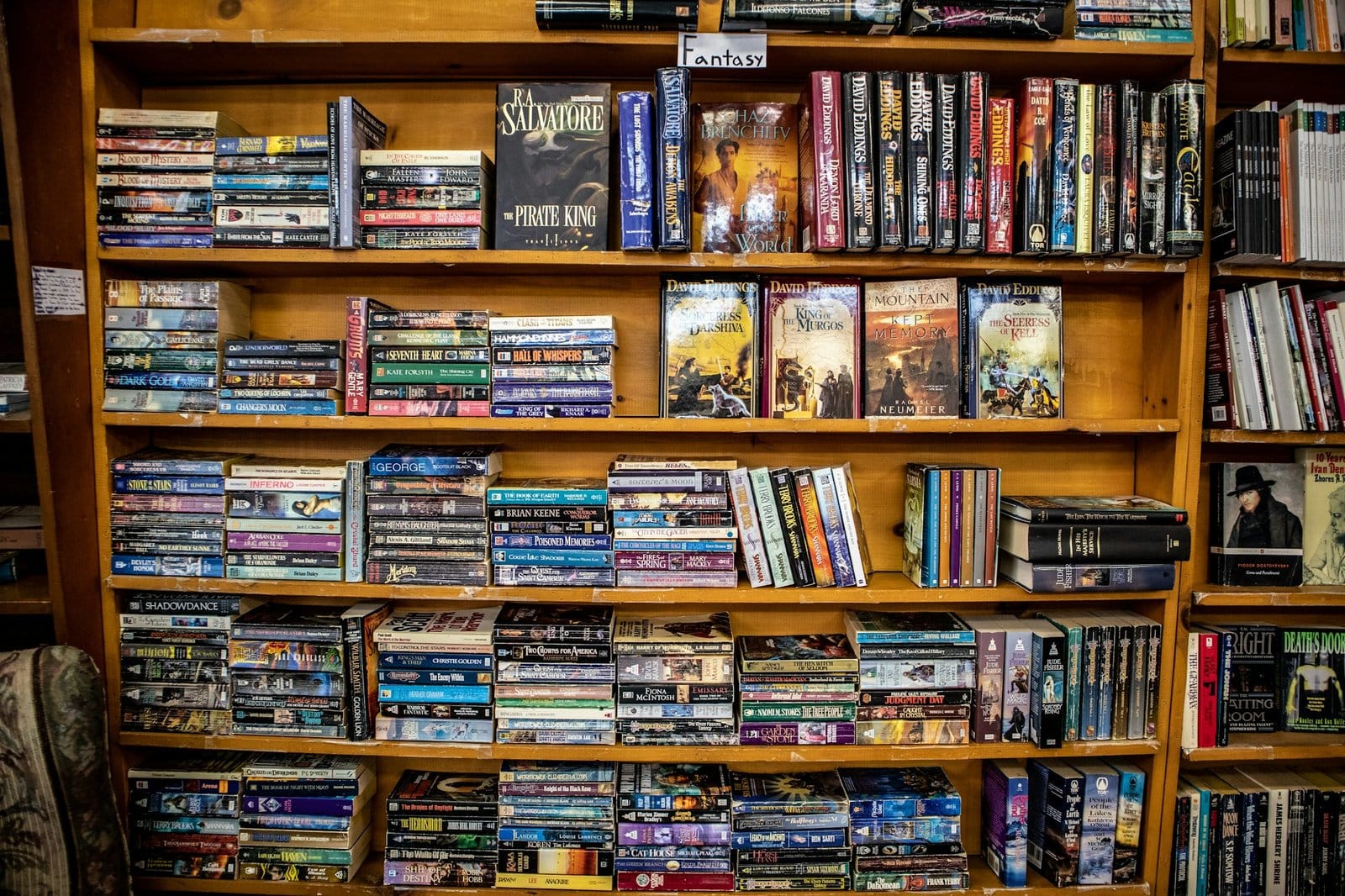
Europe's top court reached the same conclusion for ebooks. So the used paperback is legal to resell, and the identical ebook is not. Those cases keep circling the same reality. You can't resell it, you can't lend it, and you can't keep it when the seller changes its mind. All you ever bought was access.
People are pushing back
When Ubisoft switched off the servers for a racing game called The Crew in 2024, the game became unplayable, even for people who had bought it on a disc. Players did not let it go. A campaign called Stop Killing Games organized around a simple idea: if you sold it to me, you should not be able to switch it off and leave me with nothing. It grew into a formal petition that more than a million Europeans signed. It was enough to force the European Commission to respond. In June 2026, the Commission declined to make a new law, saying copyright rules tied its hands. A similar bill in California failed too. But a million people don't sign a petition over nothing, and the campaign isn't done. It's already pushing for the same protections in a new European consumer law being written now.
Where to actually keep what you buy
If you want to own some of what you pay for, a few stores are built for that. The names to know:
- Games: GOG and itch.io sell games as plain installers you download and keep. No app has to be running and no server has to stay online. Buy it, save the installer, and it is yours.
- Music: Bandcamp and Qobuz sell songs and albums as normal files with no copy protection. They play on anything and do not vanish if the store does. Apple's music has also been sold without copy protection since 2009, though that covers music only. Movies, TV, and books from Apple still carry the lock.
- Audiobooks: Libro.fm sells audiobooks as DRM-free downloads and supports local bookstores.
- Books: Smashwords and Standard Ebooks sell books with no lock on them, so the file opens on any device and backs up like any other file. Some publishers, including Tor, sell their ebooks DRM-free no matter where you buy them.
- Movies and TV: this is the hard one. There is no mainstream way to buy a movie as a file you fully own. The closest thing is still a disc on the shelf.
Where a store lets you download a real file, download it and back it up like anything else you would hate to lose.
Personal choice
Renting your media isn't inherently bad. I buy plenty of things digitally because the convenience is worth the risk for the everyday stuff. My problem is that these companies dress up a long-term rental as a purchase.
If there is a movie, an album, or a game you can't stand the thought of losing, buy the physical disc while you still can. Everything else is just a long-term rental.
Sources
- The news: PlayStation.Blog on ending disc production (July 1, 2026); Game Informer on the StudioCanal removals (551 titles, September 1, 2026).
- Earlier removals: CBS News on Amazon deleting Orwell's 1984 (2009); Forbes on Microsoft closing its ebook store (2019).
- The fine print: Amazon Kindle Store Terms of Use; Apple Media Services Terms; Steam Subscriber Agreement.
- The law: California AB 2426; Capitol Records v. ReDigi (2018); Tom Kabinet (EU, 2019).
- Pushing back: Stop Killing Games; the European Citizens' Initiative.