Before you price hearing aids, take the test that came with your earbuds
AirPods Pro carry an FDA-authorized over-the-counter hearing aid for mild to moderate hearing loss, plus a free hearing test. What it does, what it does not do, and what Medicare covers.

One person turns the television up. Somebody else wants it back down. In a lot of houses that argument was settled years ago with a truce. Everybody is a little unhappy, and the subtitles are on.
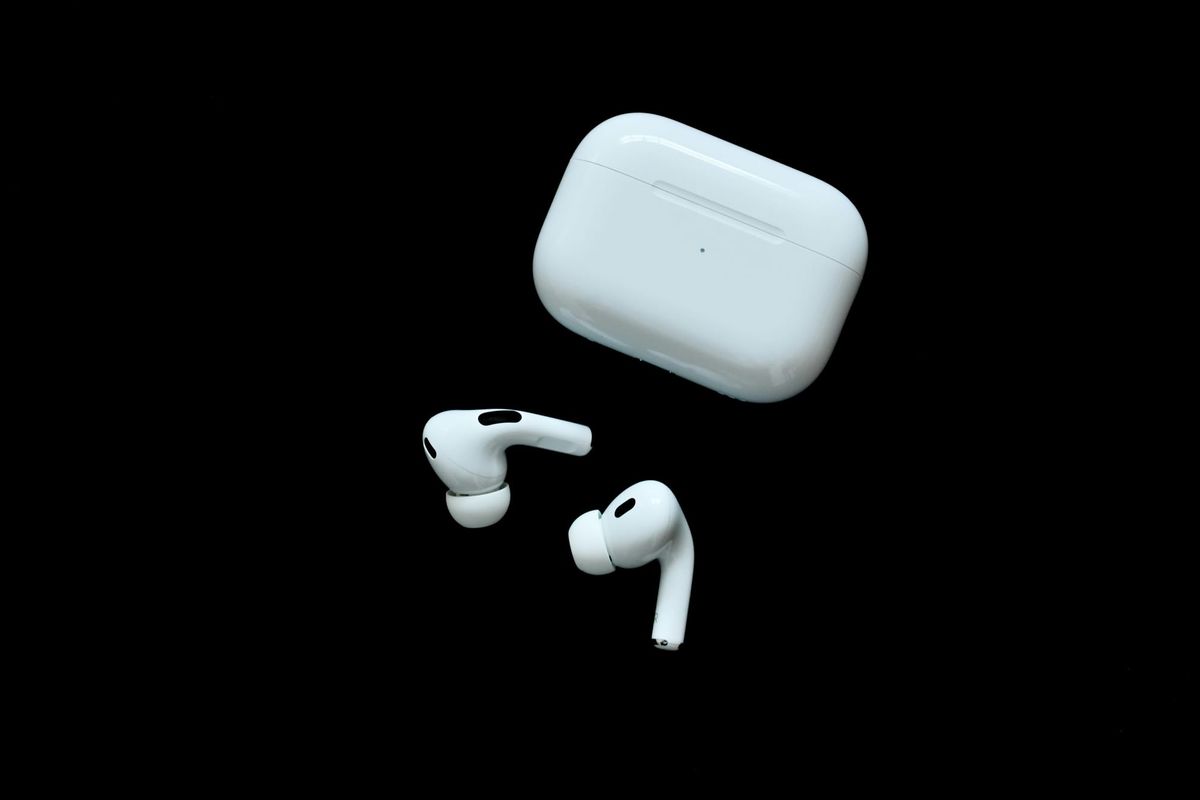
If that sounds familiar, there is something you can try today that costs nothing and could help. AirPods Pro can work as a real hearing aid. Not the prescription kind fitted by an audiologist, the over-the-counter kind. The category was created by the FDA in 2022 so adults could buy hearing aids without an exam or a prescription. The software is already in the earbuds and so is a hearing test. (Samsung has announced the same pair of features for Galaxy Buds. If you are on Android, there is a section for you near the end.)
What the FDA actually signed off on
In September 2024 the FDA authorized the Hearing Aid Feature for AirPods Pro, the first over-the-counter hearing aid that is software rather than a device. It is meant for people 18 and older with perceived mild to moderate hearing loss. "Perceived" is doing a lot of work in that sentence. A doctor does not need to certify that you qualify. You decide you are having trouble, and the test tells you the rest.
The FDA reviewed a study Apple submitted, run at multiple US sites with 118 people who had mild to moderate hearing loss. People who set the feature up themselves reported about as much benefit as people who had the same earbuds fitted for them by a professional. Amplification measured in the ear canal was comparable, so was a measure of understanding speech in noise, and nobody was harmed by the device.
That is Apple's own study, submitted in support of Apple's own application. It does not make it wrong, though it does mean somebody else needed to check the work. Independent researchers have since had a look, and they found something different.
Start with the test, even if you stop there
The hearing test is free, it works on AirPods Pro 2 or AirPods Pro 3, and it is separate from the hearing aid. You can try it and not apply any changes.
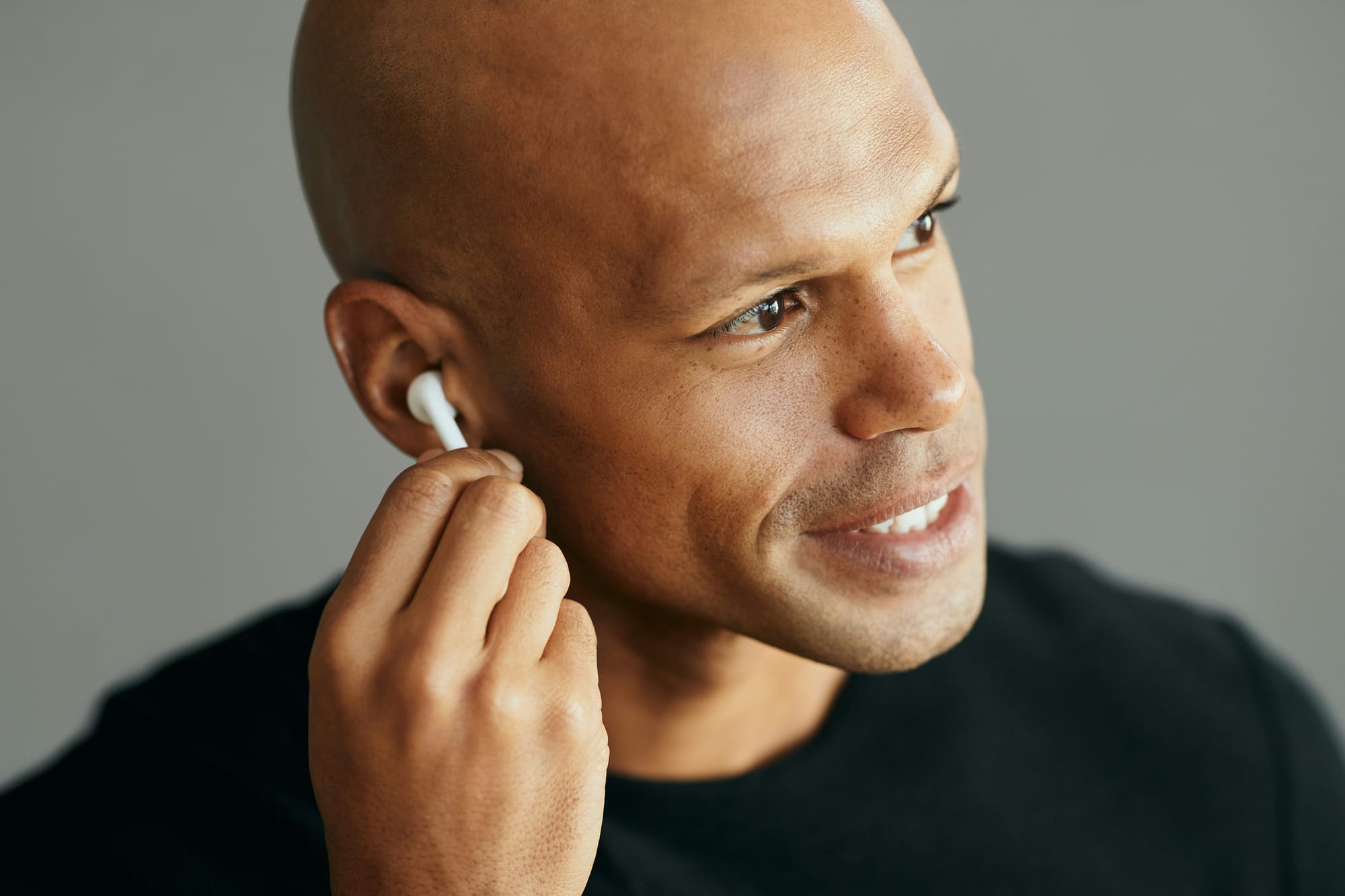
You need a quiet room and both earbuds charged and sealed properly in your ears. Turn off the fan and the air conditioning. The test plays tones from 250 Hz up to 8 kHz and you tap the screen when you hear one. Tones are pulsed three times, so missing one is not a problem.
Go to Settings, tap the name of your AirPods, then tap 'Take a Hearing Test'. You can also start it from the Health app.
A few things throw off the results, and Apple names them. A cold, a sinus infection or an ear infection in the last 24 hours. Allergies today. A loud concert last night. If any of those apply, wait a few days.
At the end you get one number for each ear, an average across the frequencies that matter most for understanding speech. Apple's own scale reads like this:
WHAT THE NUMBER MEANS
| Up to 25 dBHL | Little to no hearing loss |
| 26 to 40 | Mild. Words spoken in a normal voice from three feet away |
| 41 to 60 | Moderate. A raised voice from three feet away |
| 61 to 80 | Severe. Some words when they are shouted into your ear |
The audiogram goes into the Health app and stays on your phone. Tap 'Browse', then 'Hearing', then 'Hearing Test Results', and there is an 'Export PDF' option down at the bottom. The PDF will not replace anything at the audiologist's office. They will run their own full test no matter what you bring, since theirs checks things the phone cannot. What the PDF does is give that first appointment a date and a number to start from, instead of "I think it got worse a while ago." It works the other direction too, because you can enter an audiologist's audiogram into the earbuds instead of using the phone test.
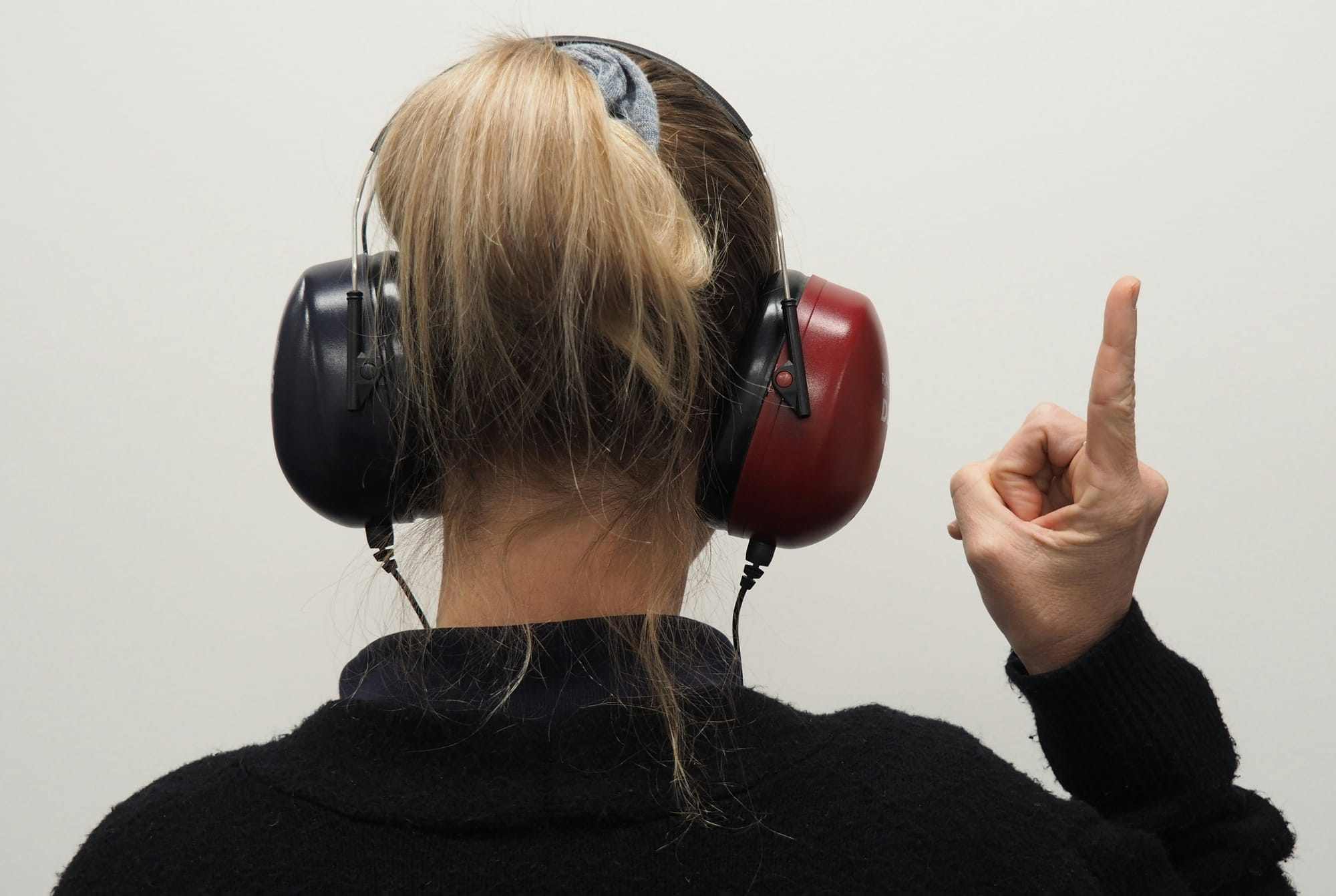
How good is the test? Better than you would expect from something you can do at home. An independent group at the University of Pretoria put 25 adults through both the phone test and a proper audiologist's booth test. There were 400 threshold comparisons in all, and 86.5% of the phone results came within 10 decibels of the booth. It was repeatable, and it was faster.
There is one thing the test lacks. The phone test has no bone conduction. A booth test also plays sound through the bone behind your ear, and the difference between those two answers is what tells a clinician whether the trouble is in the nerve or in the plumbing. Earwax and fluid are the plumbing, and the plumbing is often fixable.
Turning the hearing aid on
You need AirPods Pro 2 or AirPods Pro 3 with current firmware, and an iPhone or iPad running current software. Older AirPods and the non-Pro models are not on Apple's list.
Go to Settings and tap the name of your AirPods. Tap 'Hearing Assistance', then 'Set Up Hearing Assistance'. It will offer to use your test result, an earlier result, or an audiogram from your provider. Then tap 'Set Up Hearing Aid' and 'Turn On Hearing Aid'.
If your test came back very mild, it may suggest Media Assist instead. Media Assist applies your hearing profile to music, video and calls, and leaves the room alone.
The hearing aid only amplifies the room while you are in Transparency mode, so with noise cancellation switched on you are not using it. The settings live on the earbuds, so they keep working when your phone is in another room.
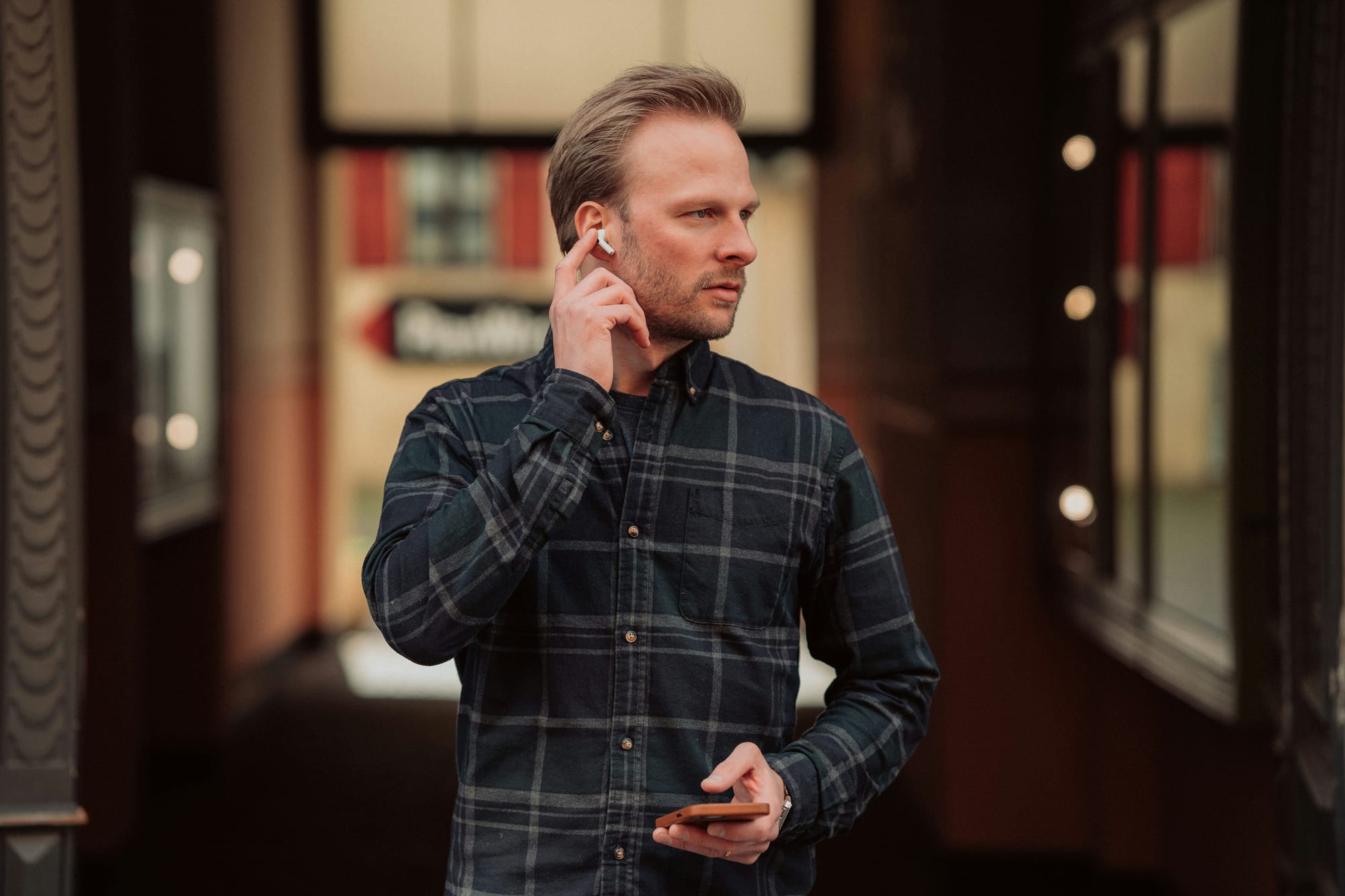
Three controls are the ones to adjust.
- Amplification is how much louder the world gets. You can also reach it from Control Center by holding down the volume slider.
- Tone makes things brighter or darker.
- Ambient Noise Reduction pulls down the fan and the road noise.
Conversation Boost is a fourth, and it amplifies the person directly in front of you. Leave everything else alone at first.
Expect the first hour to sound strange and bright. That is normal, and Apple says so on its own support page, which recommends small changes over time rather than one big adjustment.
Where it falls short
Here is the finding a company would not print.
In February 2026 researchers at the University of Pretoria published the first independent evaluation of the hearing aid feature, in the American Journal of Audiology. Twenty-five iPhone users set it up themselves. They liked it. Usability scored 6.7 out of 7, and people praised the price, the convenience, and the fact that the thing in their ears was also just earbuds.
Then the researchers measured it. On a standard test of understanding speech in noise, the average improvement was a tenth of a decibel, which is no improvement at all. And when they measured the sound actually being delivered into the ear against the targets an audiologist fits to, the earbuds were generally giving less than the target.
High satisfaction, less amplification than a fitted hearing aid delivers. Both of those are true at the same time.
The speech-in-noise test is how a lab simulates a crowded restaurant, and the crowded restaurant is where people want the most help. It is also where the earbuds gave the least.
Battery is the other limit. Apple rates the AirPods Pro 3 at up to 10 hours in Transparency with the hearing aid running, and the Pro 2 at roughly six. Dedicated hearing aids run 24 hours and more. These are not a breakfast-to-bedtime device, and the sealed tips wear out their welcome in your ears before the battery does.
What the other route costs
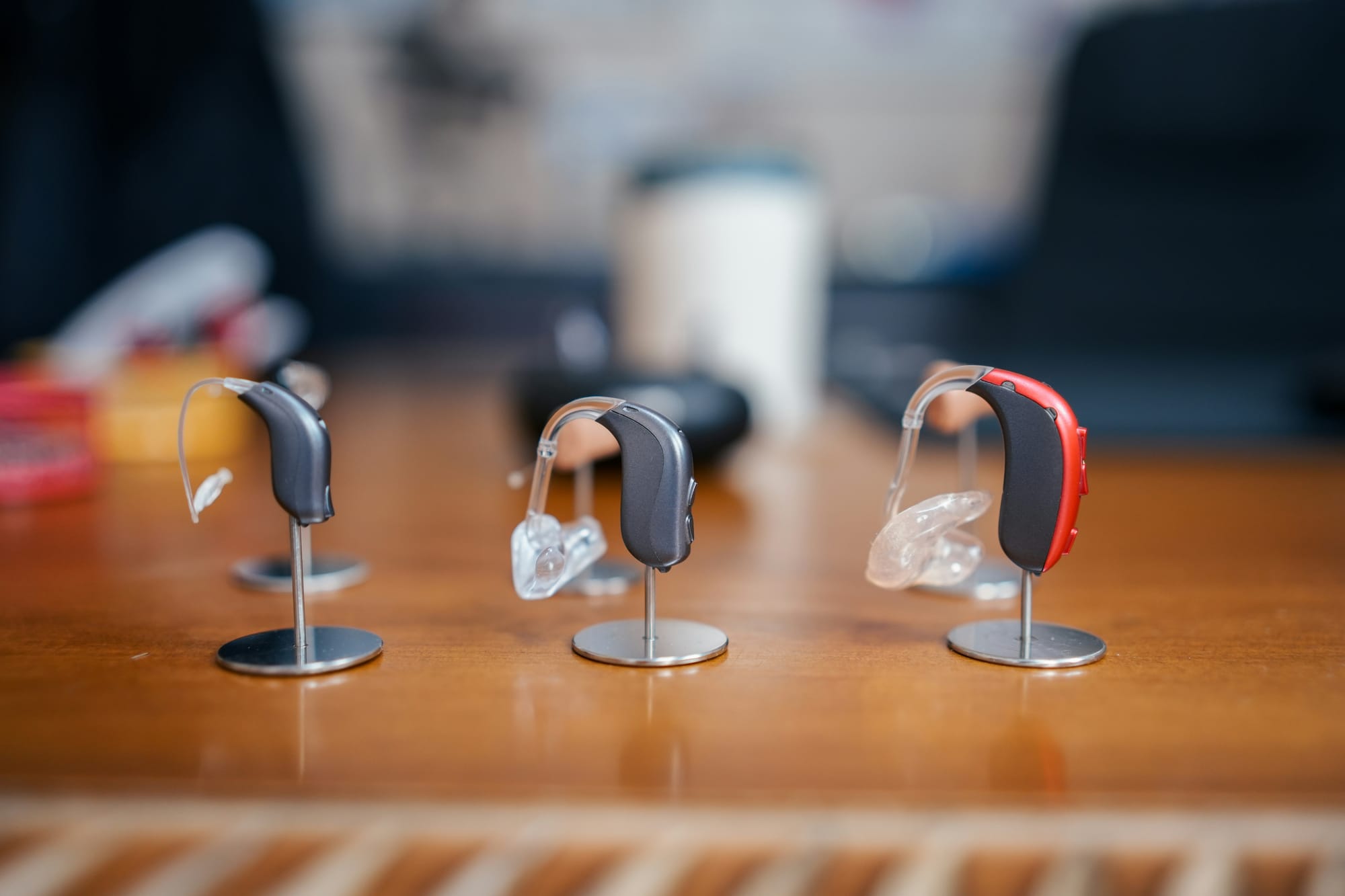
Consumer Reports puts prescription hearing aids at about $1,500 to more than $7,000 a pair, and its own members reported paying a median of $2,592 a pair after insurance. AirPods Pro run $199 to $249, and the hearing features cost nothing on top of that.
That is not the whole comparison, because the money buys something. A prescription fitting includes a real hearing test, help picking a model, and repeat adjustments. It includes real-ear measurement, which is a microphone in your ear canal confirming that the device is delivering what it is supposed to deliver. That is exactly the measurement the independent researchers ran, and exactly where the earbuds came up short.
Medicare has not moved on this since 1965. Original Medicare does not cover hearing aids or the exams to fit them. It does cover a diagnostic hearing and balance exam when your doctor orders one to find out whether you need medical treatment, and you pay 20% of the approved amount after the Part B deductible.
Medicare Advantage is a different story. KFF found that 95% of people in individual Medicare Advantage plans in 2026 are in a plan that offers hearing exams, hearing aids, or both. That usually means an allowance rather than full coverage, and the amount is set by the plan, so your Evidence of Coverage is what answers it.
IRS Publication 502 says you can include the cost of a hearing aid and its batteries, repairs and maintenance as a medical expense, and that covers over-the-counter aids. It does not name AirPods, which are a consumer product that happens to contain an authorized hearing aid. I am not a tax advisor. If you want to spend HSA or FSA money on this, ask your plan administrator first and keep the itemized receipt.
When to skip all of this and call a doctor
Some hearing changes are not a shopping decision.
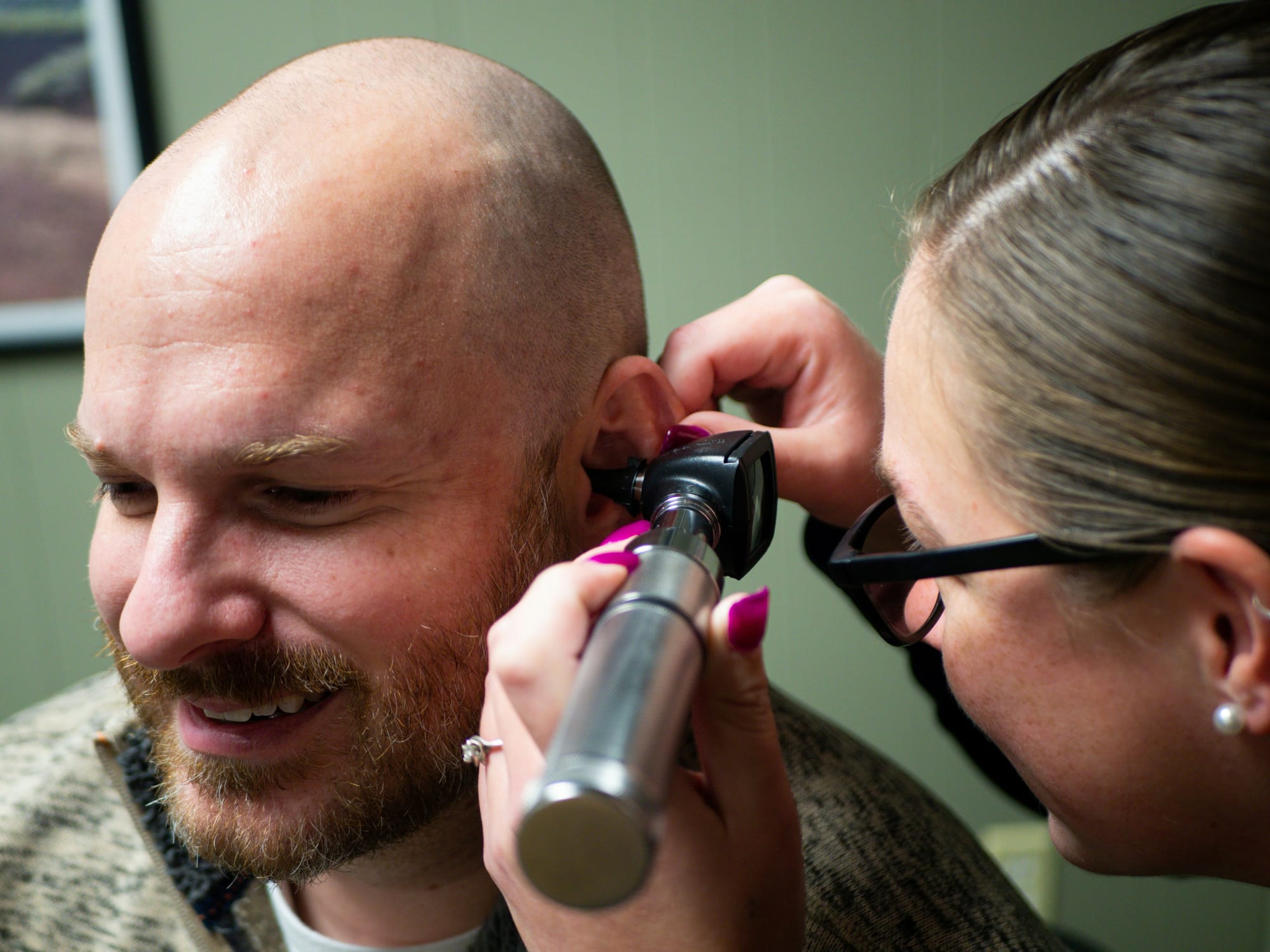
The NIDCD, the hearing institute at the National Institutes of Health, says to treat sudden hearing loss as a medical emergency and see a doctor immediately. Sudden means all at once or over a few days, and it usually hits one ear. People put it off because they assume it is allergies or wax, and the delay is what makes treatment less likely to work.
One-sided loss gets a doctor too. The NIDCD is direct about why. When sudden hearing loss happens in only one ear, tumors on the hearing nerve have to be ruled out. Those are rare. Ruling them out is not something an app will do.
Add ear pain, drainage, dizziness, or new ringing in one ear. And anything at all in a child, since every bit of this is for adults 18 and over. Apple says the same at the end of its own test, that severe or profound results, difficulty hearing, or a sudden change in your hearing means talk to your doctor.
CALL A DOCTOR INSTEAD IF ANY OF THESE FIT
- Hearing loss that arrived suddenly, all at once or over a few days
- Loss in one ear only
- Ear pain, drainage, or dizziness
- New ringing in one ear
- Any hearing trouble in a child
If you are on Android
The AirPods hearing test and hearing aid need an iPhone or iPad. There is no way around that, and buying an iPhone to get a hearing aid would be a strange purchase.
The Android answer changed in August 2026, though not yet in a way you can use. Samsung announced that the FDA has cleared a Hearing Aid feature of its own for the Galaxy Buds3 Pro and Galaxy Buds4 Pro, built the same way as Apple's. They'll have a hearing test in the settings, an audiogram, then amplification fitted to it. Samsung even fits to NAL-NL2, the same clinical target the independent researchers measured Apple's earbuds against. Two catches. Samsung says the features arrive in the fourth quarter of 2026, so as I write this there is nothing to turn on yet. And full support requires a Samsung Galaxy phone running One UI 8 or later, so this is a Samsung answer rather than an Android one. A Pixel or Motorola owner is still waiting.
The path that works today is a dedicated over-the-counter hearing aid, the category the FDA opened in 2022, which you can buy without a prescription or an audiologist visit. Most of them work with any Android phone.
About the dementia headlines
One more thing, because these headlines will find you. The claim that hearing aids hold off dementia comes from a 2023 trial in The Lancet, and the trial found no effect across the study as a whole. The benefit showed up only in a group already at higher risk of cognitive decline, and researchers are still chasing it. It is a real thread of science and a bad reason to buy earbuds. Do something about your hearing because you would like to stop dreading restaurants.
Try the test
Run the hearing test the next chance you get, in a quiet room. If the number comes back at 25 or below, that is the range Apple calls little to no hearing loss, and finding that out cost you nothing. If it comes back mild or moderate, turn the hearing aid on and give it a week of ordinary life before you decide anything.
If it comes back worse than that, or if anything on the doctor list sounds like you, take the PDF with you when you go. Consumer Reports says it often takes close to a decade for people to do something about hearing loss. Getting the number as a first step has always been the hard part.
The magnifier built into your phone is the same story, a genuinely useful tool filed under Accessibility where hardly anybody looks.
Sources
- FDA, FDA Authorizes First Over-the-Counter Hearing Aid Software (September 12, 2024)
- Apple Support, Take a Hearing Test with AirPods Pro 2 or AirPods Pro 3
- Apple Support, Use the Hearing Aid feature on your AirPods Pro 2 or AirPods Pro 3
- Apple, Hearing Health Feature Availability
- Apple Support, AirPods Pro 3 Tech Specs
- Kruger, Manchaiah, Swanepoel, Usability and Performance of the Apple Over-the-Counter Hearing Aid Feature, American Journal of Audiology, 2026
- Kruger, Manchaiah, Swanepoel, Apple Hearing Test Feature for the AirPods Pro 2: Accuracy, Reliability, and Time-Efficiency, Otolaryngology-Head and Neck Surgery, 2026
- Consumer Reports, A Complete Guide to Over-the-Counter Hearing Aids
- Medicare.gov, Hearing & balance exams and Hearing aid coverage
- KFF, Medicare Advantage in 2026
- IRS, Publication 502, Medical and Dental Expenses
- NIDCD, Sudden Deafness
- Samsung Newsroom, Samsung's Hearing Aid Feature on Galaxy Buds Cleared by FDA (August 11, 2026)
- Lin et al., the ACHIEVE trial, The Lancet, 2023